

NFRC actively engages with its Member companies to provide input into quarterly and annual research to deliver insight and knowledge for the betterment of the industry.
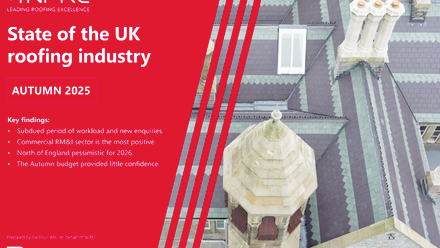
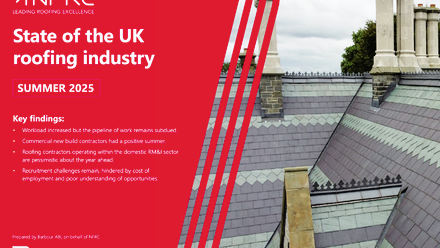
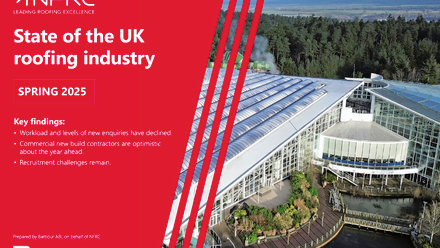
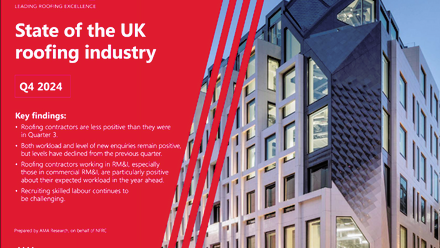
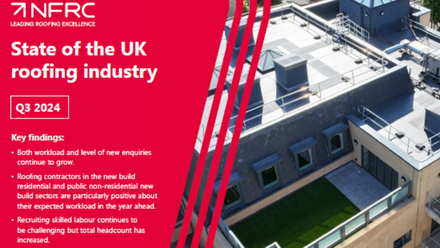
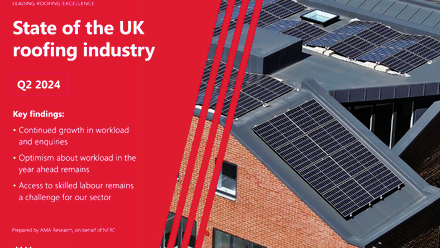
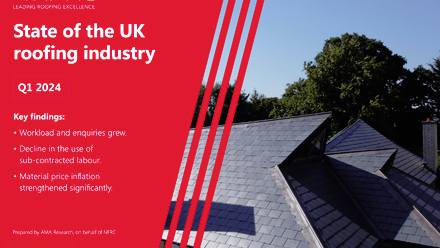
Every quarter, NFRC produces a snapshot of the performance of the roofing and cladding industry in the UK. Working with Barbour ABI, the State of the Roofing Industry survey tracks workloads, enquiries, employment levels, skills and material shortages and inflation levels across the industry. A summary of the survey is available to all, but NFRC members have access to the full data set every quarter.
As part of their membership requirements, NFRC Members are required to complete annual accidents return form. The information provided by Members produces a report which is critical to enable NFRC, along with our industry partners and the HSE, to produce guidance on how to reduce accidents by reviewing the issues identified.
As a key industry stakeholder and being a voice representing over 1,300 roofing companies, NFRC often feeds into external research and consultations within the broader construction sector.
While the full implications of the conflict remain unclear, businesses are struggling, and growth projections for construction are being revised down in line with the wider UK economy.
James Talman
NFRC CEO
As the UK’s climate is set to become wetter, warmer and experience more extreme weather events such as torrential rain and heatwaves over the next half-century, the way we build, maintain, and upgrade our roofs will become increasingly important. Published in 2021, FUTURE (P)ROOF Building Resilience of Roofing Technologies in a Changing Climate, is an investigation into the potential role of the roof space in adapting the built environment to emerging challenges.
The research, undertaken by the University of Southampton, investigates the risk of overheating, drought, and flooding, and the impact that climate change will have on roofs covering the existing stock of buildings across the UK.
Published in 2026, the NFRC report revisits the research as a timely reminder of the key findings and to investigate what progress has been made.
Please accept {{cookieConsents}} cookies to view this content