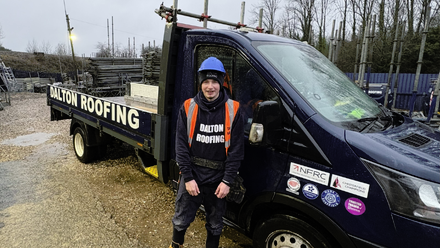
Investing in new talent has many benefits for a business, such as encouraging new ideas and approaches to problem solving, whilst allowing you to scale operations. Recruiting new hires will enable your business to increase output by taking on more clients, giving you the potential to expand into new markets or services. Identifying and recruiting to fill skills gaps also increases overall productivity.
Types of talent
When you are ready to recruit new talent into your business, your next step is to consider which early careers programme is most appropriate. Below is some more key information about the benefits that different types of new talent could bring to your business.

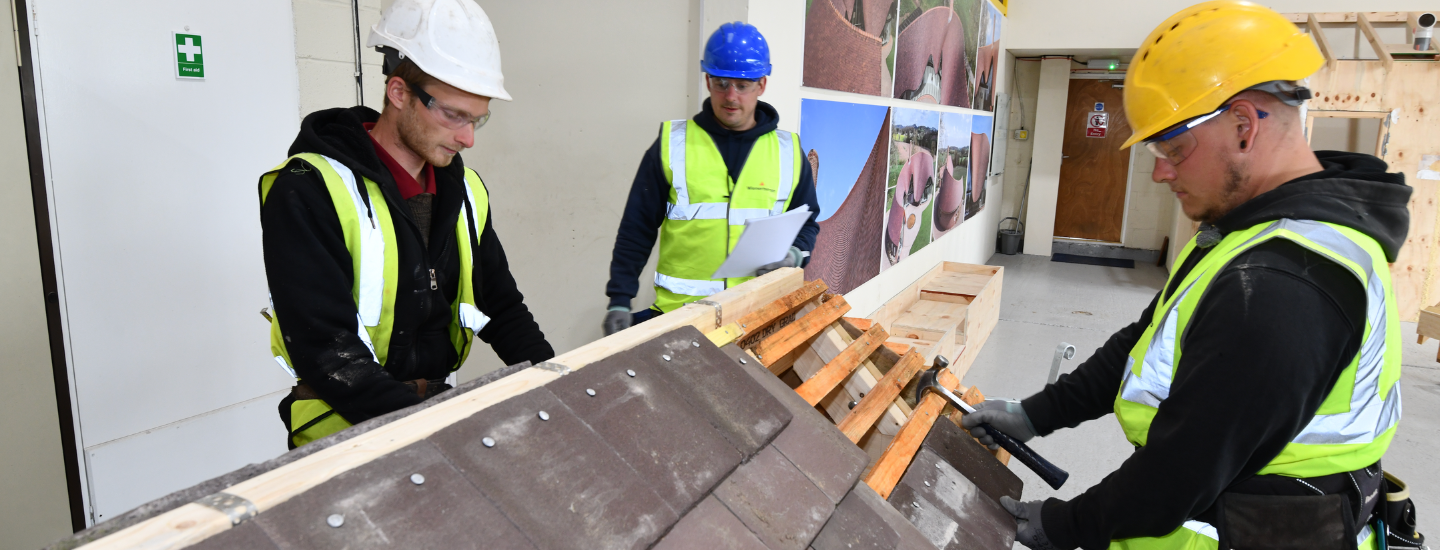

Funding sources for early careers programmes
At NFRC, we understand that for some businesses, access to funds and grants is essential to their recruitment process and throughout employment. To help you find what you need, our dedicated team have listed each of the routes you can consider when applying for funding. If you are an NFRC member, you can receive tailored support for accessing funding—please contact Helpdesk to be put in touch with our Head of Careers.
Apprenticeships
England
Government funding is available for employers who recruit an apprentice. Details on applying for apprenticeship funding in England are available on the government website.
You can also apply for apprentice grants through the CITB if you are eligible.
Scotland
Government funding is available in Scotland for employers who recruit an apprentice. Information on how apprenticeship funding works in Scotland is available here.
You can also apply for apprenticeship grants through the CITB if you are eligible.
Wales
Government funding is available in Wales for employers who recruit an apprentice. Information on how to apply for apprenticeship funding in Wales is available here.
You can also apply for apprenticeship grants through the CITB if you are eligible.
Northern Ireland
Government funding is available in Northern Ireland for employers who recruit an apprentice. Information on how to apply for apprenticeship funding in Northern Ireland can be found here.
You can also apply for apprenticeship grants from the CITB NI if you are eligible.
Trainee
Contact your local roof training group to get guidance on what is available and how training can be funded. This can include partially funded VQ courses where there is minimal cost to you OR support to claim the below grants to help off-set the cost of the training.
If you are a CITB levy registered employer, grants are available, related to short training programmes completed as part of the trainee scheme. Use this handy search tool to check if you are eligible for this funding.
Sandwich year
Some grants may be available through the university that you recruit the student from. Contact them directly to check.
You could also apply to the CITB for funding if the student’s degree is directly related to construction.
Graduate
If you are a CITB levy registered employer, grants can be paid related to short training programmes completed as part of the graduate scheme. Use this handy search tool to check.
If you would like further advice, support, or have any general queries, please get in touch below.
Key questions to ask, that may indicate whether you should take on new talent, include:
Is your company achieving steady growth that can support additional staff?
Investing in taking on new people through early careers programmes gives you a skilled and dedicated workforce that help your business to grow.
Are you providing an excellent customer experience?
Recruiting and training new employees and training them in how you want them to work means that you will continue to deliver great customer service—and giving your customers a great experience will bring more business to you.
Are your current employees working efficiently or are they overworked?
Recruiting and training new employees will always take precious time and effort to achieve, however once employees are employed, learning the job and taking on responsibilities, they can lighten the load for you and your existing workforce, improving your company’s productivity.

Personalised support
If you're uncertain whether to recruit, or need additional support, reach out to our dedicated team for personalised support for you and your business.
Feeder Programmes
There are other ways to offer entry routes into the sector. These are usually organised in partnership with local schools, colleges or training providers. Below are some of the types of programmes that your business can get involved in.
Become a STEM ambassador
STEM Ambassadors help employers connect with young people, inspiring them to become the next generation of STEM professionals. Through outreach programmes in schools, colleges and out-of-school groups, your support can help grow the UK’s workforce with talented and passionate individuals.
You can engage and develop your employees raise your profile within the local community, whilst also expanding your regional and national media presence promote your apprentice roles directly to local schools and colleges support your recruitment efforts, boosting your future technical and graduate pipeline offer specific and sector careers information to young people and their influencers.
Information on how to get involved in STEM learning is available on the STEM website.

Open Doors
This is a Build UK initiative that goes behind the site hoardings to show young people and those looking for a change of career the fantastic range of opportunities available in construction. Open Doors offers a real chance for you to showcase your company and industry during site visits to groups of young people. Build UK will support you in offering high quality site visits.

Work Experience
Work experience is a short time spent in a workplace, where the person can learn about the job role, the company and the wider sector. Placements should last between one to four weeks, and is traditionally offered to school-age young people, though it can be useful for career changers and people looking to get back into work.
Offering work experience opportunities gives you the chance to ‘trial’ young people before offering them an apprenticeship, therefore offering work experience placements can make a useful contribution to your strategic talent management and workforce planning.
Resources on offering work placements are available for employers through the Department of Work and Pensions (DWP).
Sector-based Work Academy Programme (SWAP)
These programmes help to prepare those receiving unemployment benefits to apply for jobs in a new area of work. Placements are designed to help meet your immediate and future recruitment needs as well as to recruit a workforce with the right skills to sustain and grow your business.
SWAP is administered by Jobcentre Plus and available in England and Scotland. A sector-based work academy can last up to six weeks.
Placements have three main components: pre-employment training (which is matched to your sector’s needs), a work experience placement, and then a guaranteed job interview or help with an employer’s recruitment process.
This is a flexible programme that can be tailored to meet your recruitment needs: you can recruit staff with the right training and skills from the outset, and get the opportunity to provide work experience placements for potential employees to ensure they are suited to that type of role and to your company. Placements also allow developmental opportunities for existing employees, for example by working on their mentoring, supervisory and coaching skills.
The Department of Work and Pensions provides a full employer guide on SWAP.
Sandwich years
A ‘sandwich year’ is a name for a placement completed with an employer during a student’s time completing a relevant degree, ‘sandwiched’ in between the penultimate and final year of their degree. They have a number of other names, including ‘industrial placement’ or a ‘year in industry’. Placements are up to a year long. Those on a sandwich placement work on a full-time basis and get paid like any other employee.
Offering a sandwich year placement gives you the opportunity to get to know and work with a soon-to-be graduate, to see if they’re right for a graduate job in your business after they finish their studies.
Working with a university to design the sandwich year programme that suits the needs of the trainee and you as a business can work well. Contact your local university to explore sandwich years.
Roofing success stories
Over the years, we've invited roofing professionals from across the sector to share their stories and offer insight into what a career in roofing looks like. We're always happy to share these stories to promote careers in roofing, so if you have one you'd like to share, please reach out to our team, and we'll be in touch.